
Publications — Books & chapters
![Hurlemann R (2007) The costs and benefits of emotional memory formation. Shaker [ISBN-13: 978-3832266356]](https://images.squarespace-cdn.com/content/v1/5e99fa9f3fa9f76f9cb19251/1587471938975-AKZULD718XNN2QF10DVT/1.jpg)
![Patin A & Hurlemann R (2015) Social Cognition. In: Kantak KM & Wettstein J (Eds.) Cognitive Enhancement (Handbook of Experimental Pharmacology, Volume 228). Springer [ISBN-13: 978-3319165219]](https://images.squarespace-cdn.com/content/v1/5e99fa9f3fa9f76f9cb19251/1587471970967-BG5DQ6I5CDK3B2QV6FMU/2.jpg)

![Hurlemann R & Grinevich V (2018) Behavioral Pharmacology of Neuropeptides: Oxytocin (Current Topics in Behavioral Neurosciences, Volume 35) Springer [978-3319637389] Link](https://images.squarespace-cdn.com/content/v1/5e99fa9f3fa9f76f9cb19251/1587473231241-7FO9QCC7YKZ6KFKOYRJP/Hurlemann+R+%26+Grinevich+V+%282018%29.png)


Hurlemann R (2007) The Costs and Benefits of Emotional Memory Formation. Shaker.
Patin A, Hurlemann R (2015) Chapter 10: Social Cognition. In: Kantak KM, Wettstein J (Eds.). Handbook of Experimental Pharmacology. Vol. 228: Cognitive Enhancement. Springer.
Patin A, Hurlemann R (2016) Chapter 11: Behavioral Consequences and Compensatory Adaptations after Early Bilateral Amygdala Damage in Monozygotic Twins. In: Amaral DG, Adolphs R (Eds.). Living without an Amygdala. Guilford Press.
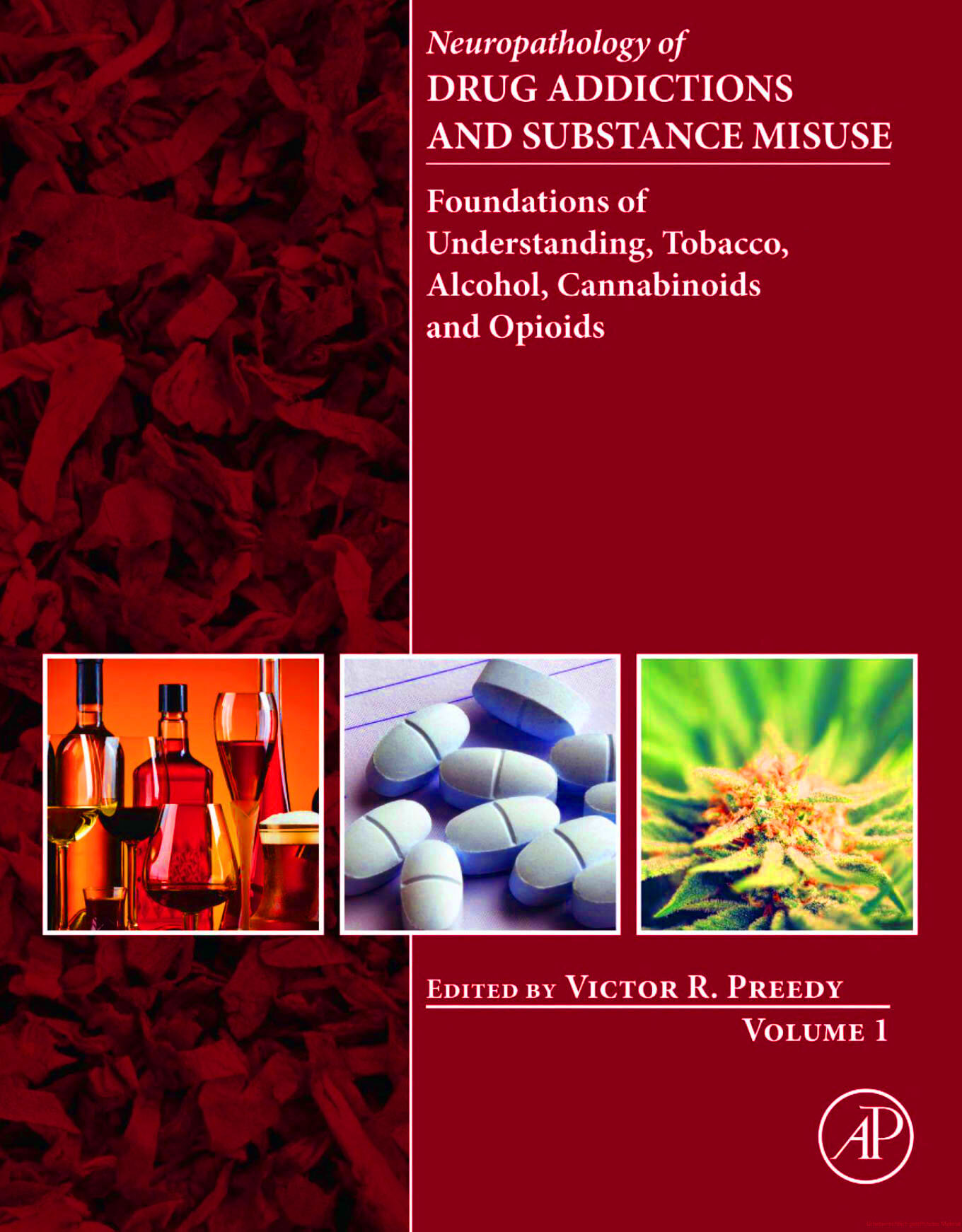
Becker B, Hurlemann R (2016) Chapter 26: Unraveling the Role of the Amygdala in Nicotine Addiction. In: Preedy VR (Ed.). Neuropathology of Drug Addictions and Substance Misuse. Vol. 1. Academic Press.
Hurlemann R, Grinevich V (Eds.) (2018) Behavioral Pharmacology of Neuropeptides: Oxytocin. Current Topics in Behavioral Neurosciences, Vol. 35. Springer.
Högenauer H, Hurlemann R (2018) Kapitel 16: Psychiatrie. In: Kraemer A (Ed.). Klinikleitfaden Nachtdienst – Sicher fühlen und kompetent handeln. 6th (2018), 7th (2021), 8th (2024), and 9th (2026) editions. Urban & Fischer, Elsevier.
Müller C, Spindler M, Kaspers S, Hurlemann R (2022) Chapter 2: Advances in MRI-Based Anatomy of the Human Hypothalamus and Effects of the Hypothalamic Neuropeptide Oxytocin on Brain BOLD Signals. In: Grinevich V, Dobolyi A (Eds.). Neuroanatomy of Neuroendocrine Systems. Springer.
publications — WHITE PAPERS
Mental Health and Climate Change. Position Statement PDF and Berlin Declaration PDF (articles in German) published by the German Association for Psychiatry, Psychotherapy and Psychosomatics (DGPPN)
publications — JOURNAL articles
Hammers A, Koepp MJ, Hurlemann R, Thom M, Richardson MP, Brooks DJ, Duncan JS (2002) Abnormalities of grey and white matter [(11)C]flumazenil binding in temporal lobe epilepsy with normal MRI. Brain 125: 2257–2271 [IF2002 = 7.1]
Hammers A, Koepp MJ, Richardson MP, Hurlemann R, Brooks DJ, Duncan JS (2003) Grey and white matter [(11)C]flumazenil binding in neocortical epilepsy with normal MRI. A PET study of 44 patients. Brain 126: 1300–1318 [IF2003 = 8.0]
Strange BA, Hurlemann R, Dolan RJ (2003) An emotion-induced retrograde amnesia in humans is amygdala- and β-adrenergic-dependent. Proceedings of the National Academy of Sciences of the United States of America (PNAS) 100: 13626–13631 [IF2003 = 10.3]
Strange BA, Hurlemann R, Duggins A, Heinze HJ, Dolan RJ (2005) Dissociating intentional learning from relative novelty responses in the medial temporal lobe. NeuroImage 25: 51–62 [IF2005 = 5.3]
Herzog H, Tellmann L, Fulton R, Stangier I, Rota-Kops E, Bente K, Boy C, Hurlemann R, Pietrzyk U (2005) Motion artefact reduction in parametric PET images of neuroreceptor binding. Journal of Nuclear Medicine 46: 1059–1065 [IF2005 = 5.0]
Hurlemann R, Hawellek B, Matusch A, Kolsch H, Wollersen H, Madea B, Vogeley K, Maier W, Dolan RJ (2005) Noradrenergic modulation of emotion-induced forgetting and remembering. The Journal of Neuroscience 25: 6343–6349 [IF2005 = 7.5]
Hurlemann R, Boy C, Meyer PT, Scherk H, Wagner M, Herzog H, Coenen HH, Vogeley K, Falkai P, Zilles K, Maier W, Bauer A (2005) Decreased prefrontal 5-HT(2A) receptor binding in subjects at enhanced risk for schizophrenia. Anatomy & Embryology (Berl.) 210: 519–523 [IF2005 = 1.3]
Hurlemann R, Tepest R, Maier W, Falkai P, Vogeley K (2005) Intact hippocampal gray matter in schizophrenia as revealed by automatized image analysis post-mortem. Anatomy & Embryology (Berl.) 210: 513–517 [IF2005 = 1.3]
Hurlemann R, Matusch A, Eickhoff SB, Palomero-Gallagher N, Meyer PT, Boy C, Maier W, Zilles K, Amunts A, Bauer A (2005) Analysis of neuroreceptor PET data based on cytoarchitectonic maximum probability maps–a feasibility study. Anatomy & Embryology (Berl.) 210: 447–453 [IF2005 = 1.3]
Dolan RJ, Heinze HJ, Hurlemann R, Hinrichs H (2006) Magnetoencephalography (MEG) determined temporal modulation of visual and auditory sensory processing in the context of classical conditioning to faces. NeuroImage 32: 778–789 [IF2006 = 5.6]
Hurlemann R (2006) Noradrenergic control of emotion-induced amnesia and hypermnesia. Reviews in the Neurosciences 17: 525–532 [IF2006 = 3.3]
Hurlemann R, Bauer A, Vogeley K, Falkai P, Wagner M, Maier W (2006) Molecular principles of schizophrenia: the 5-HT2A receptor. Nervenheilkunde 25: 28–31 [IF2006 = 0.4]
Hurlemann R, Wagner M, Hawellek B, Reich H, Pieperhoff P, Amunts K, Oros-Peusquens AM, Shah NJ, Maier W, Dolan RJ (2007) Amygdala control of emotion-induced forgetting and remembering. Neuropsychologia 45: 877–884 [IF2007 = 3.6]
Hurlemann R, Hawellek B, Maier W, Dolan RJ (2007) Enhanced emotion-induced amnesia in borderline personality disorder. Psychological Medicine 37: 971–981 [IF2007 = 4.2]
Matusch A, Hurlemann R, Rota-Kops E, Winz O, Elmenhorst D, Herzog H, Zilles K, Bauer A (2007) Acute S-ketamine application does not alter cerebral [(18)F]altanserin binding: a pilot PET study in humans. Journal of Neural Transmission 114: 1433–1442 [IF2007 = 2.7]
Hurlemann R, Matusch A, Klingmuller D, Kolsch H, Maier W, Dolan RJ (2007) Emotion-induced retrograde amnesia varies as a function of noradrenergic-glucocorticoid effects. Psychopharmacology 194: 261–269 [IF2007 = 3.6]
Hurlemann R, Matusch A, Kuhn KU, Berning J, Elmenhorst D, Winz O, Kolsch H, Zilles K, Wagner M, Maier W, Bauer A (2008) 5-HT(2A) receptor density is decreased in the at-risk mental state. Psychopharmacology 195: 579–590 [IF2008 = 3.7]
Hurlemann R, Jessen F, Wagner M, Ruhrmann S, Brockhaus A, Picker H, Block W, Scheef L, Schild HH, Moeller-Hartmann W, Krug W, Falkai P, Klosterkoetter J, Maier W (2008) Interrelated neuropsychological and anatomical evidence of hippocampal pathology in the at-risk mental state. Psychological Medicine 38: 843–851 [IF2008 = 4.7]
Hurlemann R, Rehme AK, Diessel M, Kukolja J, Maier W, Walter H, Cohen MX (2008) Segregating intra-amygdalar responses to dynamic facial emotion with cytoarchitectonic maximum probability maps. Journal of Neuroscience Methods 172: 13–20 [IF2008 = 2.1]
Kukolja J, Schlaepfer TE, Keysers C, Klingmueller, Maier W, Fink GR, Hurlemann R (2008) Modeling a negative response bias in the human amygdala by noradrenergic–glucocorticoid interactions. The Journal of Neuroscience 28: 12868–12876 [IF2008 = 7.5]
Hurlemann R (2008) Noradrenergic-glucococorticoid mechanisms in emotion-induced amnesia: from adaptation to disease. Psychopharmacology 197: 13–23 [IF2008 = 3.7]
Maier W, Quednow BB, Moessner R, Wagner M, Hurlemann R (2008) From genes to psychosis and back: The role of the 5-HT(2A) receptor and prepulse inhibition in schizophrenia. European Archives of Psychiatry & Clinical Neuroscience 258: 40–43 [IF2008 = 2.9]
Hurlemann R, Schlaepfer TE, Matusch A, Reich H, Shah NJ, Zilles K, Maier W, Bauer A (2009) Reduced 5-HT(2A) receptor signaling following selective bilateral amygdala damage. Social Cognitive & Affective Neuroscience (SCAN) 4: 79–84 [IF2009 = 4.2]
Onur OA, Walter H, Schlaepfer TE, Rehme AK, Schmidt C, Keysers C, Maier W, Hurlemann R (2009) Noradrenergic enhancement of amygdala responses to fear. Social Cognitive & Affective Neuroscience (SCAN) 4: 119–126 [IF2009 = 4.2]
Goossens L, Kukolja J, Fink GR, Maier W, Griez EJ, Schruers K, Hurlemann R (2009) Selective processing of social stimuli in the superficial amygdala. Human Brain Mapping 30: 3332–3338 [IF2009 = 6.3]
Stamelou M, Matusch A, Elmenhorst D, Hurlemann R, Eggert KM, Oertel WH, Zilles K, Hoeglinger GU, Bauer A (2009) Up-regulation of 5-HT(2A) receptors in the substantia nigra and caudate nucleus in progressive supranuclear palsy correlates with clinical symptom severity. Movement Disorders 24: 1170–1175 [IF2009 = 4.0]
Bewernick B, Hurlemann R, Matusch A, Kayser S, Hadrysiewics B, Axmacher N, Grubert C, Lemke M, Cooper-Mahkorn D, Cohen MX, Brockmann H, Lenartz D, Sturm V, Schlaepfer TE (2010) Nucleus accumbens deep brain stimulation decreases ratings of depression and anxiety in treatment-resistant depression. Biological Psychiatry 67: 110–116 [IF2010 = 8.7]
Enkel T, Gholizadeh D, von Bohlen und Halbach O, Sanchis-Segura C, Hurlemann R, Spanagel R, Gass P, Vollmayr B (2010) Ambiguous-cue interpretation is biased under stress- and depression-like states in rats. Neuropsychopharmacology 35: 1008–1015 [IF2010 = 6.7]
Hurlemann R, Patin A, Onur OA, Cohen MX, Baumgartner T, Metzler S, Dziobek I, Gallinat J, Wagner M, Maier W, Kendrick KM (2010) Oxytocin enhances amygdala-dependent, socially reinforced learning and emotional empathy in humans. The Journal of Neuroscience 30: 4999–5007 [IF2010 = 7.3]
Talmi D, Hurlemann R, Patin A, Dolan RJ (2010) Framing effect following bilateral amygdala lesion. Neuropsychologia 48: 1823–1827 [IF2010 = 4.0]
Onur OA, Schlaepfer TE, Kukolja J, Bauer A, Jeung H, Patin A, Otte DM, Shah NJ, Maier W, Kendrick KM, Fink GR, Hurlemann R (2010) The NMDA receptor co-agonist D-cycloserine facilitates declarative learning and hippocampal activity in humans. Biological Psychiatry 67: 1205–1211 [IF2010 = 8.7]
Hurlemann R, Walter H, Rehme AK, Kukolja J, Santoro SC, Schmidt C, Schnell K, Mussho ff F, Keysers C, Maier W, Kendrick KM, Onur OA (2010) Human amygdala reactivity is diminished by the beta-noradrenergic antagonist propranolol. Psychological Medicine 40: 1839–1848 [IF2010 = 5.2]
Mihov Y, Mayer S, Musshoff F, Maier W, Kendrick KM, Hurlemann R (2010) Facilitation of learning by social-emotional feedback in humans is beta-noradrenergic-dependent. Neuropsychologia 48: 3168–3172 [IF2010 = 4.0]
Hurlemann R & Kendrick KM (2010) Does the amygdala mediate oxytocin effects on socially reinforced learning? Online-published commentary on: The Journal of Neuroscience (2010) 30: 9347–9348 [IF2010 = 7.3]
Bach DR, Talmi D, Hurlemann R, Patin A, Dolan RJ (2011) Automatic relevance detection in the absence of a functional amygdala. Neuropsychologia 49: 1302–1305 [IF2011 = 3.6]
Kukolja J, Klingmüller D, Maier W, Fink GR, Hurlemann R (2011) Noradrenergic-glucocorticoid modulation of emotional memory encoding in the human hippocampus. Psychological Medicine 41: 2167–2176 [IF2011 = 6.2]
Grubert C, Hurlemann R, Bewernick B, Kayser S, Hadrysiewicz B, Axmacher N, Sturm V, Schlaepfer TE (2011) Neuropsychological safety of nucleus accumbens deep brain stimulation for major depression–effects of 12-month stimulation. The World Journal of Biological Psychiatry 12: 516–527 [IF2011 = 2.4]
Patin A & Hurlemann R (2011) Modulating amygdala responses to emotion: Evidence from pharmacological fMRI. Neuropsychologia 49: 706–717 [IF2011 = 3.6]
Striepens N, Kendrick KM, Maier W, Hurlemann R (2011) Prosocial effects of oxytocin and clinical evidence for its therapeutic potential. Frontiers in Neuroendocrinology (Elsevier) 32: 426–450 [IF2011 = 11.4]
Bechdolf A et al.; PREVENT study group (2011) Rationale and baseline characteristics of PREVENT: a second-generation intervention trial in subjects at-risk (prodromal) of developing first-episode psychosis evaluating cognitive behavior therapy, aripiprazole, and placebo for the prevention of psychosis. Schizophrenia Bulletin 37 Suppl 2: S111–S121 [IF2011 = 8.8]
Onur OA, Patin A, Mihov Y, Buecher B, Stoffel-Wagner B, Schlaepfer TE, Walter H, Maier W, Hurlemann R (2012) Overnight deprivation from smoking disrupts amygdala responses to fear. Human Brain Mapping 33: 1407–1416 [IF2012 = 6.9]
Becker B, Mihov Y, Scheele D, Kendrick KM, Feinstein JS, Matusch A, Aydin M, Reich H, Urbach H, Oros-Peusquens AM, Shah NJ, Kunz WS, Schlaepfer TE, Zilles K, Maier W, Hurlemann R (2012) Fear processing and social networking in the absence of a functional amygdala. Biological Psychiatry 72: 70–77 [IF2012 = 9.3]
Scheele D, Mihov Y, Kendrick KM, Feinstein JS, Reich H, Maier W, Hurlemann R (2012) Amygdala lesion profoundly alters altruistic punishment. Biological Psychiatry 72: e5–e7 [IF2012 = 9.3]
Striepens N, Scheele D, Kendrick KM, Becker B, Schaefer L, Schwalba K, Reul J, Maier W, Hurlemann R (2012) Oxytocin facilitates protective responses to aversive social stimuli in males. Proceedings of the National Academy of Sciences of the United States of America (PNAS) 109: 18144–18149 [IF2012 = 9.7]
Scheele D, Striepens N, Güntürkün O, Deutschländer S, Maier W, Kendrick KM, Hurlemann R (2012) Oxytocin modulates social distance between males and females. The Journal of Neuroscience 32: 16074–16079 [IF2012 = 6.9]
Mihov Y & Hurlemann R (2012) Altered amygdala function in nicotine addiction: insights from human neuroimaging studies. Neuropsychologia 50: 1719–1729 [IF2012 = 3.5]
Yamasue H, Yee JR, Hurlemann R, Rilling JK, Chen FS, Meyer-Lindenberg A, Tost H (2012) Integrative approaches utilizing oxytocin to enhance prosocial behavior: from animal and human social behavior to autistic social dysfunction. The Journal of Neuroscience 32: 14109–14117 [IF2012 = 6.9]
Mihov Y, Becker B, Kendrick KM, Zschernack J, Reich H, Maier W, Keysers C, Hurlemann R (2013) Mirroring fear in the absence of a functional amygdala. Biological Psychiatry 73: e9–e11 [IF2012 = 9.5]
Becker B, Scheele D, Moessner R, Maier W, Hurlemann R (2013) Deciphering the neural signature of conversion blindness. The American Journal of Psychiatry 170: 121–122 [IF2013 = 13.6]
Helmstaedter C, Mihov Y, Toliat MR, Thiele H, Nürnberg P, Schoch S, Surges R, Elger CE, Kunz WS, Hurlemann R (2013) Genetic variation in dopaminergic activity is associated with the risk for psychiatric side effects of levetiracetam. Epilepsia 54: 36–44 [IF2012 = 4.6]
*Feinstein JS, *Buzza C, *Hurlemann R, Dahdaleh NS, Follmer RL, Coryell WH, Welsh MJ, Tranel D, Wemmie JA (2013) Fear and panic without an amygdala. Nature Neuroscience 16: 270–272 (*co-first authors) [IF2013 = 15.0]
Scheele D, Mihov Y, Schwederski O, Maier W, Hurlemann R (2013) A negative emotional and economic judgment bias in major depression. European Archives of Psychiatry & Clinical Neuroscience 263: 675–683 [IF2013 = 3.4]
Becker B, Klein EM, Striepens E, Mihov Y, Schlaepfer TS, Reul J, Goossens L, Schruers K, Kendrick KM, Hurlemann R (2013) Nicotinic acetylcholine receptors contribute to learning- induced metaplasticity in the hippocampus. Journal of Cognitive Neuroscience 25: 986–997 [IF2013 = 4.7]
Kayser S, Bewernick BH, Hurlemann R, Soehle M, Schlaepfer TE (2013) Comparable seizure characteristics in magnetic seizure therapy and electroconvulsive therapy for major depression. European Neuropsychopharmacology 23: 1541–1550 [IF2013 = 5.4]
Bach DR, Hurlemann R, Dolan RJ (2013) Unimpaired discrimination of fearful prosody after amygdala lesion. Neuropsychologia 51: 2070–2074 [IF2013 = 3.5]
Scheele D, Wille A, Kendrick KM, Sto ffel-Wagner B, Becker B, G üntürkün O, Maier W, Hurlemann R (2013) Oxytocin enhances brain reward system responses in men viewing the face of their female partner. Proceedings of the National Academy of Sciences of the United States of America (PNAS) 110: 20308–20313 [IF2013 = 9.8]
Becker B, Androsch L, Jahn RT, Alich T, Striepens N, Markett S, Maier W, Hurlemann R (2013) Inferior frontal gyrus preserves working memory and emotional learning under conditions of impaired nor-adrenergic signaling. Frontiers in Behavioral Neuroscience 7: 197 [IF2013 = 4.2]
Striepens N, Kendrick KM, Hanking V, Landgraf R, Wüllner U, Maier W, Hurlemann R (2013) Elevated cerebrospinal fluid and blood concentrations of oxytocin following its intranasal administration. Scientific Reports 3: 3440 [IF2013 = 5.6]
Eckstein M & Hurlemann R (2013) Oxytocin: evidence for a therapeutic potential of the social neuromodulator. Der Nervenarzt 84: 1321–1328 [IF2013 = 0.9]
Striepens N, Matusch A, Kendrick KM, Mihov Y, Elmenhorst D, Becker B, Lang M, Coenen HH, Maier W, Hurlemann R, Bauer A (2014) Oxytocin enhances attraction of unfamiliar female faces independent of the dopamine reward system. Psychoneuroendocrinology (PNEC) 39: 74–87 [IF2014 = 5.6]
Eckstein M, Scheele D, Weber K, Stoffel-Wagner B, Maier W, Hurlemann R (2014) Oxytocin facilitates the sensation of psychosocial stress. Human Brain Mapping 35: 4741–4750 [IF2014 = 6.0]
Scheele D, Kendrick KM, Khouri C, Kretzer E, Sto ffel-Wagner B, Güntürkün O, Maier W, Hurlemann R (2014) An oxytocin-induced facilitation of neural and emotional responses to social touch correlates inversely with autism traits. Neuropsychopharmacology 39: 2078–2085 [IF2014 = 7.1]
Preckel K, Scheele D, Kendrick KM, Maier W, Hurlemann R (2014) Oxytocin faciliates social approach behavior in women. Frontiers in Behavioral Neuroscience 8: 191 [IF2014 = 3.3]
Klein PJ, Becker B, Hurlemann R, Scheibe C, Colla M, Heuser I (2014) Effect of specific psychotherapy for chronic depression on neural responses to emotional faces. Journal of Affective Disorders 166: 93–97 [IF2014 = 3.4]
Scheele D, Striepens N, Kendrick KM, Schwering C, Noelle J, Wille A, Schlaepfer TE, Maier W, Hurlemann R (2014) Opposing effects of oxytocin on moral judgment in males and females. Human Brain Mapping 35: 6067–6076 [IF2014 = 6.0]
Wang S, Xu J, Jiang M, Zhao Q, Hurlemann R, Adolphs R (2014) Autism spectrum disorder, but not amygdala lesion, impairs social attention in visual search. Neuropsychologia 63: 259 - 274 [IF2014 = 3.3]
Schlaepfer TE, Bewernick B, Kayser S, Hurlemann R, Coenen VA (2014) Deep brain stimulation of the human reward system for major depression–rationale, outcomes and outlook. Neuropsychopharmacology 39: 1303–1314 [IF2014 = 7.1]
Polster JD, Kayser S, Bewernick BH, Hurlemann R, Schlaepfer TE (2015) Effects of electroconvulsive therapy and magnetic seizure therapy on acute memory retrieval. The Journal of ECT 31: 13–19 [IF2014 = 1.8]
Wang S, Tsuchiya N, Hurlemann R, Adolphs R (2015) Preferential attention to animals and people is independent of the amygdala. Social Cognitive & Affective Neuroscience (SCAN) 10: 371–380 [IF2015 = 5.1]
Bach DR, Hurlemann R, Dolan RJ (2015) Impaired threat prioritisation after selective bilateral amygdala lesion. Cortex 63C: 206–213 [IF2015 = 4.3]
Preckel K, Scheele D, Eckstein M, Maier W, Hurlemann R (2015) The influence of oxytocin on volitional and emotional ambivalence. Social Cognitive & Affective Neuroscience (SCAN) 10: 987–993 [IF2015 = 5.1]
Kayser S, Bewernick BH, Matusch A, Hurlemann R, Soehle M, Schlaepfer TE (2015) Magnetic seizure therapy in treatment-resistant depression: clinical, neuropsychological and metabolic effects. Psychological Medicine 45: 1073–1092 [IF2015 = 5.5]
Eckstein M, Becker B, Scheele D, Scholz C, Preckel K, Schlaepfer TE, Grinevich V, Kendrick KM, Maier W, Hurlemann R (2015) Oxytocin facilitates the extinction of conditioned fear in humans. Biological Psychiatry 78: 194–202 [IF2015 = 11.2]
Ziegler C, Dannlowski U, Bräuer D, Stevens S, Laeger I, Wittmann H, Kugel H, Dobel C, Hurlemann R, Reif A, Lesch KP, Heindel W, Kirschbaum C, Arolt V, Gerlach A, Hoyer J, Deckert J, Zwanzger P, Domschke K (2015) Oxytocin receptor gene methylation–converging multi-level evidence for a role in social anxiety. Neuropsychopharmacology 40: 1528–1538 [IF2015 = 6.4]
Kaut O, Schmitt I, Hofmann A, Hoffmann P, Schlaepfer TE, Wüllner U, Hurlemann R (2015) Aberrant NMDA receptor DNA methylation detected by epigenome-wide analysis of hippocampus and prefrontal cortex in major depression. European Archives of Psychiatry & Clinical Neuroscience 265: 331–341 [IF2015 = 4.1]
Hu J, Qi S, Becker B, Luo L, Gao S, Gong Q, Hurlemann R, Kendrick KM (2015) Oxytocin selectively facilitates learning with social feedback and increases activity and functional connectivity in emotional memory and reward processing regions. Human Brain Mapping 36: 2132–2146 [IF2015 = 5.0]
Hurlemann R, Arndt S, Schlaepfer TE, Reul J, Maier W, Scheele D (2015) Diminished appetitive startle modulation following targeted inhibition of prefrontal cortex. Scientific Reports 5: 8954 [IF2015 = 5.2]
Spunt RP, Elison JT, Dufour N, Hurlemann R, Saxe R, Adolphs R (2015) Amygdala lesions do not compromise the cortical network for false-belief reasoning. Proceedings of the National Academy of Sciences of the United States of America (PNAS) 112: 4827–4832 [IF2015 = 9.4]
Becker B, Wagner D, Koester P, Tittgemeyer M, Mercer-Chalmers-Bender K, Hurlemann R, Zhang J, Gouzoulis-Mayfrank E, Kendrick KM, Daumann J (2015) Smaller amygdala and medial prefrontal cortex predict escalating stimulant use. Brain 138: 2074–2086 [IF2015 = 10.1]
Scheele D, Schwering C, Spunt RP, Elison JT, Maier W, Hurlemann R (2015) A human tendency to anthropomorphize is enhanced by oxytocin. European Neuropsychopharmacology 25: 1817–1823 [IF2015 = 4.4]
Eckstein M, Scheele D, Patin A, Preckel K, Becker B, Walther A, Domschke K, V. Grinevich, Maier W, Hurlemann R (2015) Oxytocin facilitates Pavlovian fear learning in males. Neuropsychopharmacology 41: 932–939 [IF2015 = 6.4]
Harrison L, Hurlemann R, Adolphs R (2015) An enhanced default approach bias following human amygdala lesions. Psychological Science 26: 1543–1555 [IF2015 = 5.5]
Fürst A, Thron J, Scheele D, Marsh N, Hurlemann R (2015) The neuropeptide oxytocin modulates consumer brand relationships. Scientific Reports 5: 14960 [IF2015 = 5.2]
Marsh N, Scheele D, Gerhardt H, Strang S, Enax L, Weber D, Maier W, Hurlemann R (2015) The neuropeptide oxytocin induces a social altruism bias. The Journal of Neuroscience 35: 15696–15701 [IF2015 = 5.9]
Hurlemann R & Scheele D (2015) Dissecting the role of oxytocin in the formation and loss of social relationships. Biological Psychiatry 79: 185–193 [IF2015 = 11.2]
Mielacher C, Scheele D, Hurlemann R (2015) Experimental and therapeutic neuromodulation of emotion and social cognition using non-invasive brain stimulation. Der Nervenarzt 86: 1500–1507 [IF2015 = 0.8]
Hurlemann R & Ziemann U (Eds.) (2015) Editorial: Nichtinvasive Hirnstimulation. Der Nervenarzt 86: 1479–1480 [IF2015 = 0.8]
Scheele D, Plota J, Stoffel-Wagner B, Maier W, Hurlemann R (2016) Hormonal contraceptives suppress oxytocin-induced brain reward responses to the partner’s face. Social Cognitive & Affective Neuroscience (SCAN) 11: 767–774 [IF2016 = 3.9]
Hu Y, Scheele D, Becker B, Voos G, David B, Hurlemann R, Weber B (2016) The effect of oxytocin on third-party altruistic decisions in unfair situations: an fMRI study. Scientific Reports 6: 20236 [IF2016 = 4.3]
Khalsa S, Feinstein JS, Li W, Feusner J, Adolphs R, Hurlemann R (2016) Panic anxiety in humans with bilateral amygdala lesions: pharmacological induction via cardiorespiratory interoceptive pathways. The Journal of Neuroscience 36: 3559–3566 [IF2016 = 6.0]
Gaoa S, Becker B, Luoa L, Genga Y, Zhaoa W, Yina Y, Hua J, Gaoa Z, Gongc Q, Hurlemann R, Yaoa D, Kendrick KM (2016) Oxytocin, the peptide that bonds the sexes also divides them. Proceedings of the National Academy of Sciences of the United States of America (PNAS) 113: 7650–7654 [IF2016 = 9.7]
Steffens M, Becker B, Neumann C, Kasparbauer A, Meyhöfer I, Weber B, Mehta M, Hurlemann R, Ettinger U (2016) Effects of ketamine on brain function during smooth pursuit eye movements. Human Brain Mapping 37: 4047–4060 [IF2016 = 4.5]
Striepens S, Schröter F, Stoffel-Wagner B, Maier W, Hurlemann R, Scheele D (2016) Oxytocin enhances cognitive control of food craving in women. Human Brain Mapping 37: 4276–4285 [IF2016 = 4.5]
Kasparbauer A-M, Meyhöfer I, Steffens M, Weber B, Aydin M, Kumari V, Hurlemann R, Ettinger U (2016) Neural effects of methylphenidate and nicotine during smooth pursuit eye movements. NeuroImage 141: 52–59 [IF2016 = 5.8]
Kaut O, Becker B, Schneider C, Zhou F, Fliessbach K, Hurlemann R, Wüllner U (2016) Stochastic resonance therapy induces increased movement-related caudate nucleus activity. Journal of Rehabilitation Medicine 48: 815–818 [IF2016 = 1.7]
Hurlemann R & Marsh N (2016) New insights into the neuroscience of human altruism. Der Nervenarzt 87: 1131–1135 [IF2016 = 0.9]
Hurlemann R, Maier W, Scheele D (2016) Interactions of noradrenaline and cortisol and the induction of indelible memories. Behavioral & Brain Sciences (BBS) 39: e213 [IF2016 = 14.2]
Angermann CE et al.; MOOD-HF study investigators & committee members (2016) Effect of escitalopram on all-cause mortality and hospitalization in patients with heart failure and depression: The MOOD-HF randomized clinical trial. The Journal of the American Medical Association (JAMA) 315: 2683–2693 [IF2016 = 44.4]
De Cort K, Schroijen M, Hurlemann R, Claassen S, Hoogenhout J, Van den Bergh O, Goossens L, Van Diest I, Schruers K (2017) Modeling the development of panic disorder with interoceptive conditioning. European Neuropsychopharmacology 27: 59–69 [IF2017 = 4.1]
Eckstein M, Markett S, Kendrick KM, Ditzen B, Liu F, Hurlemann R, Becker B (2017) Oxytocin differentially alters resting state functional connectivity between amygdala subregions and emotional control networks: inverse correlation with depressive traits. NeuroImage 149: 458–467 [IF2017 = 5.4]
Spengler FB, Becker B, Kendrick KM, Conrad R, Hurlemann R, Schade G (2017) Emotional dysregulation in psychogenic voice loss. Psychotherapy & Psychosomatics 86: 121–123 [IF2017 = 13.1]
Strang S, Gerhardt H, Marsh N, Oroz Artigas S, Hu Y, Hurlemann R, Park SQ (2017) A matter of distance - the effect of oxytocin on social discounting is empathy-dependent. Psychoneuroendocrinology 78: 229–232 [IF2017 = 4.7]
Becker B, Steffens M, Zhao Z, Kendrick KM, Neumann C, Weber B, Schultz J, Mehta MA, Ettinger U, Hurlemann R (2017) General and emotion-specific neural effects of ketamine during emotional memory formation. NeuroImage 150: 308–317 [IF2017 = 5.4]
Korn CW, Vunder J, Miro J, Fuentemilla J, Hurlemann R, Bach DR (2017) Amygdala lesions reduce anxiety-like behavior in a human benzodiazepine-sensitive approach-avoidance conflict test. Biological Psychiatry 82: 522–531 [IF2017 = 12.0]
Wang S, Yu R, Tyszka JM, Zhen S, Kovach C, Sun S, Huang Y, Hurlemann R, Ross IB, Chung J, Mamelak AN, Adolphs R, Rutishauser U (2017) The human amygdala parametrically encodes the intensity of specific facial emotions and their categorical ambiguity. Nature Communications 8: 14821 [IF2017 = 12.4]
Spengler FB, Scheele D, Marsh N, Kofferath C, Flach A, Schwarz S, Stoffel-Wagner B, Maier W, Hurlemann R (2017) Oxytocin facilitates reciprocity in social communication. Social Cognitive & Affective Neuroscience (SCAN) 12: 1325–1333 [IF2017 = 3.5]
Kreuder AK, Scheele D, Wassermann L, Wollseifer M, Stoffel-Wagner B, Lee M, Hennig J, Maier W, Hurlemann R (2017) How the brain codes intimacy: The neurobiological substrates of romantic touch. Human Brain Mapping 38: 4525–4534 [IF2017 = 4.9]
Zimmermann K, Walz C, Derckx RT, Kendrick KM, Weber B, Dore B, Ochsner KN, Hurlemann R, Becker B (2017) Emotion Regulation Deficits in Regular Marijuana Users. Human Brain Mapping 38: 4270–4279 [IF2017 = 4.9]
Spengler FB, Schultz J, Scheele D, Essel M, Maier W, Heinrichs H, Hurlemann R (2017) Kinetics and dose-dependency of intranasal oxytocin effects on amygdala reactivity. Biological Psychiatry 82: 885–894 [IF2017 = 12.0]
Kaut O, Sharma A, Schmitt I, Hurlemann R, Wüllner U (2017) DNA methylation of DLG4 and GJA-1 of human hippocampus and prefrontal cortex in major depression is unchanged in comparison to healthy individuals. Journal of Clinical Neuroscience 43: 261–263 [IF2017 = 1.6]
Marsh N, Scheele D, Feinstein JS, Gerhardt H, Strang S, Maier W, Hurlemann R (2017) Oxytocin- enforced norm compliance reduces xenophobic outgroup rejection. Proceedings of the National Academy of Sciences of the United States of America (PNAS) 114: 9314–9319 [IF2017 = 9.5]
Hurlemann R (2017) Oxytocin-augmented psychotherapy: Beware of context. Neuropsychopharmacology 42: 377 [IF2017 = 6.5]
Hurlemann R & Marsh N (2017) Deciphering the modulatory role of oxytocin in human altruism. Reviews in the Neurosciences 28: 335–334 [IF2017 = 2.6]
Hurlemann R, Scheele D, Maier W, Schultz J (2017) Oxytocin drives prosocial biases in favor of attractive people. Behavioral & Brain Sciences (BBS) 40: e30 [IF2016 = 15.1]
Hurlemann R, Marsh N, Schultz J, Scheele D (2017) Oxytocin shapes the priorities and neural representations of attitudes and values. Behavioral & Brain Sciences (BBS) 40: e241 [IF2017 = 15.1]
Zimmermann K, Yao S, Heinz M, Zhou F, Dau W, Banger M, Weber B, Hurlemann R, Becker B (2018) Altered orbitofrontal activity and dorsal striatal connectivity during emotion processing in dependent marijuana users after 28 days of abstinence. Psychopharmacology 235: 849–859 [IF2018 = 3.4]
Geng Y, Zhao W, Zhou F, Ma X, Yao S, Hurlemann R, Kendrick KM (2018) Oxytocin enhancement of emotional empathy: generalization across cultures and effects on amygdala activity. Frontiers in Behavioral Neuroscience 12: 512 [IF2018 = 2.6]
Zhou F, Zimmermann K, Xin F, Scheele D, Dau W, Banger M, Weber B, Hurlemann R, Kendrick KM, Becker B (2018) Shifted balance of dorsal versus ventral striatal communication with frontal reward and regulatory regions in cannabis dependent males. Human Brain Mapping 39: 5062–5073 [IF2018 = 4.6]
Steffens M, Neumann C, Kasparbauer A.-M, Becker B., Weber B, Mehta M.A, Hurlemann R, Ettinger U (2018) Effects of ketamine on brain function during response inhibition. Psychopharmacology 235: 3559–3571 [IF2019 = 3.4]
Lendvai IS, Maier A, Scheele D, Hurlemann R, Kinfe TM (2018) Spotlight on cervical vagus nerve stimulation in patients with primary headache disorders: A Review. Journal of Pain Research 11: 1613–1625 [IF2018 = 2.2]
Kinfe TM & Hurlemann R (2018) Is molecular inflammatory profiling a useful tool for personalized brain stimulation in psychiatric disorders? Neuromodulation: Technology at the Neural Interface 21: 826–827 [IF2018 = 2.1]
Schultz J & Hurlemann R, (2018) Characterizing variations in perceptual decision-making. Behavioral & Brain Sciences (BBS) 41: e241 [IF2018 = 17.2]
Hurlemann R & Kiebs M (2018) Innovative pharmakologische Strategien für die Behandlung von Angststörungen. NeuroTransmitter 29: 32–35 [IF n/a]
Wasserthal S, Kloss C, Hurlemann R, Schultz J (2018) N-Acetylcystein (NAC) - eine neue Option zur frühen Bekämpfung von Schizophrenie. DNP - Der Neurologe & Psychiater 19: 28–32 [IF n/a]
Schultz J, Wasserthal S, Kloss C, Schmidt S, Ruhrmann S, Hurlemann R (2018) Prävention einer ersten psychotischen Episode. Nervenheilkunde 5: 313–317 [IF n/a]
Patin A, Scheele D, Hurlemann R (2018) Oxytocin and interpersonal relationships. Current Topics in Behavioral Neuroscience 35: 389–420 [IF n/a]
Ettinger U, Hurlemann R, Chan RCK (2018) Oxytocin and schizophrenia spectrum disorders. Current Topics in Behavioral Neuroscience 35: 515–527 [IF n/a]
Andari E, Hurlemann R, Young LJ (2018) A precision medicine approach to oxytocin trials. Current Topics in Behavioral Neuroscience 35: 559–590 [IF n/a]
Schultz J, Becker B, Preckel K, Seifert M, Mielacher C, Conrad R, Kleiman A, Maier W, Kendrick KM, Hurlemann R (2018) Improving therapy outcome prediction in major depression using multimodal functional neuroimaging: A pilot study. Personalized Medicine in Psychiatry 11–12: 7–15 [IF n/a]
Maier A, Scheele D, Spengler F, Menba T, Mohr F, Güntürkün O, Stoffel-Wagner B, Kinfe T, Maier W, Khalsa S, Hurlemann R (2019) Oxytocin reduces a chemosensory-induced stress bias in social perception. Neuropsychopharmacology 44: 281–288 [IF2019 = 6.8]
Kreuder AK, Wassermann L, Wollseifer M, Ditzen B, Eckstein M, Sto ffel-Wagner B, Hennig J, Hurlemann R, Scheele D (2019) Oxytocin enhances the pain-relieving effects of social support in romantic couples. Human Brain Mapping 40: 242–251 [IF2019 = 4.4]
Gravius N, Chaudhry SR, Muhammad S, Boström A, Gravius S, Randau T, Scheele D, Westhofen P, Kruppenbacher J, Stoffel-Wagner B, Maier C, Weidlich A, Yearwood TL, Chakravarthy KV, Kramer JM, Hurlemann R, Kinfe TM (2019) Selective L4 dorsal root ganglion stimulation evokes pain relief and changes of inflammatory markers: Profiling of saliva and serum molecular patterns. Neuromodulation: Technology at the Neural Interface 22: 44–52 [IF2019 = 4.0]
Waytz A, Cacioppo JT, Hurlemann R, Castelli F, Adolphs R, Paul LK (2019) Anthropomorphizing without social cues requires the basolateral amygdala. Journal of Cognitive Neuroscience 31: 482–496 [IF2019 = 3.1]
Hurlemann R, Scheele D, Kinfe TM, Berger R, Philipsen A, Voncken M, Kuypers KPC, Schruers K (2019) Increased temporal discounting in social anxiety disorder normalizes after oxytocin treatment. Psychotherapy & Psychosomatics 88: 55–57 [IF2019 = 14.9]
Zimmermann K, Kendrick KM., Scheele D, Dau W, Banger M, Maier W, Weber B, Ma Y, Hurlemann R, Becker B (2019) Altered striatal reward processing in abstinent dependent cannabis users: social context matters. European Neuropsychopharmacology 29: 356–364 [IF2019 = 3.9]
Scheele D, Lieberz J, Patin A, Engels C, Schneider L, Stoffel-Wagner B, Becker B, Hurlemann R (2019) Trauma disclosure moderates the effects of oxytocin on intrusions and neural responses to fear. Psychotherapy & Psychosomatics 88: 61–63 [IF2019 = 14.9]
Chaudhry SR, Lendvai IS, Muhammad S, Westhofen P, Kruppenbacher J, Scheef L, Boecker H, Scheele D, Hurlemann R, Kinfe TM (2019) Interictal assay of peripheral circulating inflammatory mediators in migraine patients under adjunctive cervical non-invasive vagus nerve stimulation: a proof-of-concept study. Brain Stimulation 12: 643–651 [IF2019 = 6.6]
Boström A, Scheele D, Stoffel-Wagner B, Hönig F, Chaudhry SR, Muhammad S, Hurlemann R, Krauss JK, Lendvai IS, Chakravarthy KV, Kinfe TM (2019) Saliva molecular inflammatory profiling in female migraine patients responsive to adjunctive cervical non-invasive vagus nerve stimulation: the MOXY Study. Journal of Translational Medicine 17: 53 [IF2019 = 4.1]
Spengler FB, Scheele D, Kaiser S, Heinrichs M. Hurlemann R (2019) A protective mechanism against illusory perceptions is amygdala-dependent. The Journal of Neuroscience 39: 3301–3308 [IF2019 = 5.7]
Coenen V, Bewernick B, Kayser S, Kilian H, Boström J, Greschus S, Hurlemann R, Klein M, Spanier S, Sajonz B, Urbach H, Schlaepfer TE (2019) Superolateral medial forebrain bundle deep brain stimulation in major depression–a gateway trial. Neuropsychopharmacology 44: 1224–1232 [IF2019 = 6.8]
Hasan MT, Althammer F, Silva da Gouveia M, Goyon S, Eliava M, Lefevre A, Kerspern D, Schimmer J, Raftogianni A, Wahis J, Knobloch-Bollmann HS, Tang Y, Liu X, Jain A, Chavant V, Goumon Y, Weislogel J-M, Hurlemann R, Herpertz SC, Pitzer C, Darbon P, Dogbevia GK, Bertocchi I, Larkum ME, Sprengel R, Bading H, Charlet A, Grinevich V (2019) Fear memory engram and its plasticity in the hypothalamic oxytocin system. Neuron 103: 133–146 [IF2019 = 14.4]
Zhou X, Zimmermann K, Xin F, Zhao W, Derckx R, Sassmannshausen A, Scheele D, Hurlemann R, Weber B, Kendrick KM, Becker B (2019) Cue-reactivity in the ventral striatum characterizes heavy cannabis use, whereas reactivity in the dorsal striatum mediates dependent use. Biological Psychiatry: Cognitive Neuroscience & Neuroimaging 4: 751–762 [IF2019 = 5.3]
Kinfe TM, Asif M, Chakravarthy KV, Deer TR, Kramer JM, Yearwood TL, Hurlemann R, Hussain MS, Motameny S, Wagle P, Nürnberg P, Gravius S, Randau T, Gravius N, Chaudhry SR, Muhammad S (2019) Unilateral L4-dorsal root ganglion stimulation evokes pain relief in chronic neuropathic postsurgical knee pain and changes of in flammatory markers: part II whole transcriptome profiling. Journal of Translational Medicine 17: 205 [IF2019 = 4.1]
Schultz J, Willems T, Gädeke M, Chakkour G, Franke A Weber B, Hurlemann R (2019) A human subcortical network underlying social avoidance revealed by risky economic choices. eLife 8, pii: e45249 [IF2019 = 7.1]
Bach DR, Hoffmann M, Finke C, Hurlemann R, Ploner C (2019) Disentangling hippocampal and amygdala contribution to human anxiety-like behavior. The Journal of Neuroscience 39: 8517–8526 [IF2019 = 5.7]
Lardenoije R, Roubroeks JAY, Pishva E, Leber M, Wagner H, Iatrou A, Smith AR, Smith RG, Eijssen LMT, Kleineidam L, Kawalia A, Hoffmann P, Luck T, Riedel-Heller S, Jessen F, Maier W, Wagner M, Hurlemann R, Kenis G, Alim M, del Sol A, Mastroeni D, Delvaux E, Coleman PD, Mill J, Rutten BPF, Lunnon K, Ramirez A, van den Hove DLA (2019) Alzheimer’s disease-associated (hydroxy) methylomic changes in the brain and blood. Clinical Epigenetics 11: 164 [IF2019 = 5.0]
Scheele D, Zimbal S, Feinstein JS, Delis A, Neumann C, Mielacher C, Philipsen A, Hurlemann R (2019) Treatment-resistant depression and ketamine response in a patient with bilateral amygdala damage. The American Journal of Psychiatry 176: 982–986 [IF2019 = 14.1]
Luckhaus C, Juckel G, Hurlemann R (2019) Oxytocin in schizophrenia: Evidence for an etiological and therapeutic relevance of the social neuromodulator. Der Nervenarzt 90: 277–284 [IF2019 = 0.8]
Eckstein M, Almeida de Minas AC, Scheele D, Kreuder AK, Hurlemann R, Grinevich V, Ditzen B (2019) Oxytocin for learning calm and safety. International Journal of Psychophysiology 136: 5–14 [IF2019 = 2.6]
Lefevre A, Hurlemann R, Grinevich V (2019) Imaging neuropeptide effects on human brain function. Cell & Tissue Research (CTR) 375: 279–286 [IF2019 = 4.0]
Kinfe TM & Hurlemann R (2019) Non-invasive and invasive brain stimulation concepts for the targeted treatment of schizophrenia symptom domains. Der Nervenarzt 90: 73–88 [IF2019 = 0.8]
Chakravarthy K, Xing F, Bruno K, Kent AR, Raza A, Hurlemann R, Kinfe TM (2019) A review of spinal and peripheral nneuromodulation and neuroinflammation: Lessons learned thus far and future prospects of biotype development. Neuromodulation: Technology at the Neural Interface 22: 235–243 [IF2019 = 4.0]
Mutz J, Vipulananthan V, Carter B, Hurlemann R, Fu CHY, Young AH (2019) Comparative efficacy and acceptability of non-surgical brain stimulation for the acute treatment of major depressive episodes in adults: systematic review and network meta-analysis. BMJ - British Medical Journal 364: l1079 [IF2019 = 30.2]
Kiebs M, Hurlemann R, Fu CHY, Mutz J (2019) rTMS in non-treatment-resistant depression. The British Journal of Psychiatry 215: 445–446 [IF2019 = 7.9]
Hurlemann R & Marsh N (2019) Unraveling the role of oxytocin in the motivational structure of conflict. Behavioral & Brain Sciences (BBS) 42: e126 [IF2019 = 17.3]
Kinfe TM, Buchfelder M, Chaudhry SR, Chakravarthy KV, Deer TR, Russo M, Georgius P, Hurlemann R, Rasheed M, Muhammad S, Yearwood TL (2019) Leptin and associated mediators of immunometabolic signaling: Novel molecular outcome measures for neurostimulation to treat chronic pain. International Journal of Molecular Science 20: 4737 [IF2019 = 4.6]
Kiebs M, Hurlemann R, Mutz J (2019) Cognitive effects of non-surgical brain stimulation for major depressive disorder: Protocol for a systematic review and meta-analysis. BMJ Open 9: e023796 [IF2019 = 2.5]
Schmidt S, Hurlemann R, Schultz J, Wasserthal S, Kloss C, Maier W, Meyer-Lindenberg A, Hellmich M, Muthesius-Digon A, Wiesner PS, Klosterkötter J, Ruhrmann S (2019) Multimodal prevention of first psychotic episode through N-acetyl-L-cysteine and Integrated Preventive Psychological Intervention in individuals clinically at high risk for psychosis. Protocol of a oder n.a., nicht verfügbar1 randomised, placebo-controlled, parallel-group trial. Early Intervention in Psychiatry 13: 1404–1415 [IF2019 = 2.3]
Maier AM, Gieling C, Heinen-Ludwig L, Stefan V, Schulz J, Güntürkün O, Sto ffel-Wagner B, Becker B, Hurlemann R, Scheele D (2020) It still hurts–childhood maltreatment hampers interpersonal distance and social touch in adulthood. The American Journal of Psychiatry 177: 37–46 [IF2020 = 18.1]
Zhao W, Zimmermann K, Zhou X, Zhou F, Fu M, Dernbach C, Scheele D, Weber B, Eckstein M, Hurlemann R, Kendrick KM, Becker B (2020) Impaired cognitive performance under psychosocial stress in cannabis-dependent men is associated with attenuated precuneus activity. Journal of Psychiatry & Neuroscience 45: 88–97 [IF2020 = 6.2]
Lieberz J, Scheele D, Spengler FB, Matheisen T, Schneider L, Sto ffel-Wagner B, Kinfe TM, Hurlemann R (2020) Kinetics of oxytocin effects on amygdala and striatal reactivity vary between women and men. Neuropsychopharmacology 45: 1134–1140 [IF2020 = 7.9]
Kaut O, Mielacher C, Hurlemann R, Wüllner U (2020) Resting-state fMRI reveals increased functional connectivity in the cerebellum but decreased functional connectivity of the caudate nucleus in Parkinson's disease. Neurological Research 42: 62–67 [IF2020 = 2.5]
Kreuder AK, Scheele D, Schultz J, Hennig J, Marsh N, Dellert T, Ettinger U, Philipsen A, Babasiz M, Herscheid A, Remmersmann L, Stirnberg R, Stöcker T, Hurlemann R (2020) Common and dissociable effects of oxytocin and lorazepam on the neurocircuitry of fear–A randomized clinical trial. Proceedings of the National Academy of Sciences of the United States of America (PNAS) 117: 11781–11787 [IF2020 = 11.2]
Maier A, Heinen-Ludwig L, Güntürkün O, Hurlemann R, Scheele D (2020) Childhood maltreatment alters the neural processing of chemosensory stress signals. Frontiers in Psychiatry 11: 783 [IF2020 = 4.2]
Grobe-Einsler M, Vogt IR, Schaprian T, Hurlemann R, Klockgether T, Kaut O (2020) Effects of rivastigmine on patients with spinocerebellar ataxia type 3: A case series of five patients. Neurodegenerative Diseases 20: 104–109 [IF2020 = 3.0]
Kinfe T, Stadlbauer A, Winder K, Hurlemann R, Buchfelder M (2020) Incisionless MR-guided focused ultrasound: Technical considerations and current therapeutic approaches in psychiatric disorders. Expert Review of Neurotherapeutics 20: 687–696 [IF2020 = 4.6]
Lippold JV, Ettinger U, Hurlemann R, Corr PJ, Reuter M, Perkins AM (2020) Differentiating anxiety from fear: An experimental-pharmacological approach. Personality Neuroscience 3: e6 [IF n/a]
Mielacher C, Schultz J, Kiebs M, Dellert T, Metzner A, Graute L, Högenauer H, Maier W, Lamm C, Hurlemann R (2020) Individualized theta-burst stimulation modulates hippocampal activity and connectivity in patients with major depressive disorder. Personalized Medicine in Psychiatry 23: 100066 [IF n/a]
Kiebs M, Hurlemann R, Mielacher C (2020) Repetitive transkranielle Magnetstimulation in der Depressionsbehandlung. Internistische Praxis 63: 120–129 [IF n/a] Reprints (2021): Tägliche Praxis 64: 497–506 and Pädiatrische Praxis 96: 265–274 [IF n/a]
Bey K, Lippold JV, Aslan B, Hurlemann R, Ettinger U (2021) Effect of lorazepam on prosaccades and saccadic adaptation. Journal of Psychopharmacology 35: 91–99 [IF2021 = 4.6]
Coenjaerts M, Pape F, Santoso V, Grau F, Stoffel-Wagner B, Philipsen A, Schultz J, Hurlemann R, Scheele D (2021) Sex differences in economic decision-making: Exogenous estradiol has opposing effects on fairness framing in women and men. European Neuropsychopharmacology 50: 46–54 [IF2021 = 5.4]
Marsh N, Scheele D, Postin D, Onken M, Hurlemann R (2021) Eye-tracking reveals a role of oxytocin in attention allocation towards familiar faces. Frontiers in Endocrinology 12: 629760 [IF2021 = 6.1]
Morr M, Lieberz J, Dobbelstein M, Philipsen A, Hurlemann R, Scheele D (2021) Insula reactivity mediates subjective isolation stress in alexithymia. Scientific Reports 11: 15326 [IF2021 = 5.0]
Fassbender K, Bey K, Lippold JV, Aslan B, Hurlemann R, Ettinger U (2021) GABAergic modulation of performance in response inhibition and interference control tasks. Journal of Psychopharmacology 35: 1496–1509 [IF2021 = 4.6]
Saporta N, Scheele D, Hurlemann R, Lieberz J, Stuhr-Wulff F, Shamay-Tsoory SG (2021) Opposing association of situational and chronic loneliness with interpersonal distance. Brain Sciences 11: 1135 [IF2021 = 3.4]
Doppelhofer LM, Hurlemann R, Bach DR, Korn CW (2021) Social motives in a patient with bilateral selective amygdala lesions: Shift in prosocial motivation but not in social value orientation. Neuropsychologia 162: 108016 [IF2021 = 3.1]
Lieberz J, Shamay-Tsoory SG, Saporta N, Esser T, Kuskova E, Sto ffel-Wagner B, Hurlemann R, Scheele D (2021) Loneliness and the social brain: how perceived social isolation impairs human interactions. Advanced Science 8: e2102076 [IF2021 = 17.5]
Lehmann M, Neumann C, Wasserthal S, Schultz J, Delis A, Trautner P, Hurlemann R, Ettinger U (2021) Effects of ketamine on brain function during metacognition of episodic memory. Neuroscience of Consciousness 1: niaa028 [IF2022 = 4,1 ]
Marsh N, Marsh AA, Lee MR, Hurlemann R (2021) Oxytocin and the neurobiology of prosocial behaviors. The Neuroscientist 27: 604–619 [IF2021 = 7.5]
Gellner AK, Voelter J, Schmidt U, Beins EC, Stein V, Philipsen A, Hurlemann R (2021) Molecular and neurocircuitry mechanisms of social avoidance. Cellular & Molecular Life Sciences (CMLS) 78: 1163–1189 [IF2021 = 9.2]
Marvar PJ, Andero R, Hurlemann R, Lago TR, Zelikowsky M, Dabrowska J (2021) Limbic neuropeptidergic modulators of emotion and their therapeutic potential for anxiety and post- traumatic stress disorder. The Journal of Neuroscience 41: 901–910 [IF2021 = 6.7]
Saporta N, Peled-Avron L, Scheele D, Lieberz J‚ Hurlemann R, Shamay-Tsoory SG (2022) Touched by loneliness–how loneliness impacts the response to observed human touch: a tDCS study. Social Cognitive & Affective Neuroscience (SCAN) 17: 142–150 [IF2022 = 4.2]
Coenjaerts M, Trimborn I, Adrovic B, Stoffel-Wagner B, Cahill L, Philipsen A, Hurlemann R, Scheele D (2022) Exogenous estradiol and oxytocin modulate sex differences in hippocampal reactivity during the encoding of episodic memories. NeuroImage 264: 119689 [IF2022 = 5.7]
Haier J, Beller J, Adorjan K, Bleich S, de Greck M, Griesinger F, Heppt M, Hurlemann R, Mees ST, Philipsen A, Rohde G, Schilling G, Trautmann K, Combs SE, Geyer S, Schaefers J (2022) Decision conflicts in clinical care during COVID-19: A multi-perspective inquiry. Healthcare (Basel) 10: 1914 [IF2022 = 3.2]
Haier J, Beller J, Adorjan K, Bleich S, de Greck M, Griesinger F, Heppt MV, Hurlemann R, Mees ST, Philipsen A, Rohde G, Schilling G, Trautmann K, Combs SE, Geyer S, Schaefers J (2022) Differences in stakeholders' perception of the impact of COVID-19 on clinical care and decision-making. Cancers (Basel) 14: 4317 [IF2022 = 2.8]
Saporta N, Scheele D, Lieberz J, Nevat M, Kanterman A, Hurlemann R, Shamay-Tsoory SG. (2022) Altered activation in the action observation system during synchronization in high loneliness individuals. Cerebral Cortex 33: 385–402 [IF2022 = 3.7]
Lehmann M, Neumann C, Wasserthal S, Delis A, Schultz J, Hurlemann R, Ettinger U (2022) Ketamine increases fronto-posterior functional connectivity during meta-perceptual confidence ratings. Behavioural Brain Research 430: 113925 [IF2022 = 2.7]
Haier J, Beller J, Adorjan K, Bleich S, de Greck M, Griesinger F, Hein A, Hurlemann R, Mees ST, Philipsen A, Rohde G, Schilling G, Trautmann K, Combs SE, Geyer S, Schäfers J (2022) Decision conflicts in clinical care during COVID-19: A patient perspective. Healthcare (Basel) 10: 1019 [IF2022 = 2.8]
Morr M, Noell J, Sassin D, Daniels J, Philipsen A, Becker B, Sto ffel-Wagner B, Hurlemann R, Scheele D (2022) Lonely in the dark: Trauma memory and sex-speci fic dysregulation of amygdala reactivity to fear signals. Advanced Science 9: e2105336 [IF2022 = 15.1]
Lieberz J, Shamay-Tsoory SG, Saporta N, Kanterman A, Gorni J, Esser T, Kuskova E, Schultz J, Hurlemann R, Scheele D (2022) Behavioral and neural dissociation of social anxiety and loneliness. The Journal of Neuroscience 42: 2570–2583 [IF2022 = 5.3]
Schröder R, Faiola E, Urquijo MF, Bey K, Meyhöfer I, Ste ffens M, Kasparbauer AM, Ruef A, Högenauer H, Hurlemann R, Kambeitz J, Philipsen A, Wagner M, Koutsouleris N, Ettinger U (2022) Neural correlates of smooth pursuit eye movements in schizotypy and recent onset psychosis: a multivariate pattern classification approach. Schizophrenia Bulletin Open 3: sgac034 [IF2024 = 2.0]
Kricheldorff J, Göke K, Kiebs M, Kasten FH, Herrmann CS, Witt K, Hurlemann R (2022) Evidence of neuroplastic changes after transcranial magnetic, electric, and deep brain stimulation. Brain Sciences 12: 929 [IF2022 = 3.3]
Morr M, Liu X, Hurlemann R, Becker B, Scheele D (2022) Chronic loneliness: Neurocognitive mechanisms and interventions. Psychotherapy & Psychosomatics 91: 227–237 [IF2022 = 22.8]
König A, Müller P, Tröger J, Lindsay H, Alexandersson J, Hinze J, Riemenschneider M, Postin D, Ettore E, Lecomte A, Musiol M, Amblard M, Bremond F, Balazia M, Hurlemann R (2022) Multimodal phenotyping of psychiatric disorders from social interaction: Protocol of a clinical multicenter prospective study. Personalized Medicine in Psychiatry 33: 100094 [IF n/a]
Hebel T, Grözinger M, Landgrebe M, Padberg F, Schecklmann M, Schlaepfer T, Schönfeldt- Lecuona C, Ullrich H, Zwanzger P, Langguth B; And the DGHP Consensus Group, Bajbouj M, Bewernick B, Brinkmann K, Cordes J, Di Pauli J, Eichhammer P, Freundlieb N, Hajak G, Höppner- Buchmann J, Hurlemann R, Kamp D, Kayser S, Kis B, Kreuzer PM, Kuhn J, Lammers M, Lugmayer B, Mielacher C, Nickl-Jockschat T, Nunhofer C, Palm U, Poeppl TB, Polak T, Sakreida K, Sartorius A, Silberbauer C, Zilles-Wegner D (2022) Evidence and expert consensus based German guidelines for the use of repetitive transcranial magnetic stimulation in depression. The World Journal of Biological Psychiatry 23: 327–348 [IF2022 = 3.1]
Wölwer W, Frommann N, Lowe A, Kamp D, Weide K, Bechdolf A, Brockhaus-Dumke A, Hurlemann R, Muthesius A, Klingberg S, Hellmich M, Schmied S, Meyer-Lindenberg A; ISST study group (2022) Efficacy of integrated social cognitive remediation vs. neurocognitive remediation in improving functional outcome in schizophrenia: Concept and design of a multi- center, single-blind RCT (The ISST Study). Frontiers in Psychiatry 13: 909370 [IF2022 = 4.7]
Coenjaerts M, Adrovic B, Trimborn I, Philipsen A, Hurlemann R, Scheele D (2023) Effects of exogenous oxytocin and estradiol on resting-state functional connectivity in women and men. Scientific Reports 13: 3113 [IF2023 = 3.8]
Swed S, Bohsas H, Alibrahim H, Rakab A, Hafez W, Sawaf B, Amir RM, Motawei AS, Aljabali A, Shoib S, Atef Ismail Ahmed Ibrahim I, Ahmad Almashaqbeh SH, Qaid Shaddad EA, Alqaisi M, Abdelrahman A, Fathey S, Hurlemann R, Elsayed MEG, Barboza JJ, Mohanty A, Rodriguez- Morales A J, Padhi BK, Sah R (2023) Monkeypox post-COVID-19: Knowledge, worrying, and vaccine adoption in the arabic general population. Vaccines (Basel) 11: 759 [IF2023 = 5.2]
Schuster T, Lowe A, Weide K, Kamp D, Riesbeck M, Bechdolf A, Brockhaus-Dumke A, Hurlemann R, Muthesius A, Klingberg S, Hellmich M, Schmied S, Meyer-Lindenberg A, Wölwer W; ISST study group (2023) Feasibility of six-month outpatient cognitive remediation in schizophrenia: Experience from the randomized controlled integrated social cognition and social skills therapy study. Schizophrenia Research: Cognition 33: 100285 [IF2023 = 2.3]
Swed S, Alibrahim H, Bohsas H, Jawish N, Rais MA, Nasif MN, Hafez W, Sawaf B, Abdelrahman A, Fathey S, Atef Ismail Ahmed Ibrahim I, Almashaqbeh SHA, Yousef Aljawarneh RM, Rakab A, El- Shafei EHH, Hurlemann R, Elsayed MEG, Data Collection Group (2023) A multinational cross- sectional study on the awareness and concerns of healthcare providers toward monkeypox and the promotion of the monkeypox vaccination. Frontiers in Public Health 11: 1153136 [IF2023 = 3.0]
Schneider E, Hopf D, Aguilar-Raab C, Scheele D, Neubauer AB, Sailer U, Hurlemann R, Eckstein M, Ditzen B (2023) Affectionate touch and diurnal oxytocin levels: An ecological momentary assessment study. Elife 12: e81241 [IF2023 = 6.4]
Steinhäuser JL, Teed AR, Al-Zoubi O, Hurlemann R, Chen G, Khalsa SS (2023) Reduced vmPFC- insula functional connectivity in generalized anxiety disorder: a Bayesian confirmation study. Scientific Reports 13: 9626 [IF2023 = 3.8]
Abivardi A, Korn CW, Rojkov I, Gerster S, Hurlemann R, Bach DR (2023). Acceleration of inferred neural responses to oddball targets in an individual with bilateral amygdala lesion compared to healthy controls. Scientific Reports 13: 14550 [IF2023 = 3.8]
Wasserthal S, Lehmann M, Neumann C, Delis A, Philipsen A, Hurlemann R, Ettinger U, Schultz J (2023) Effects of NMDA-receptor blockade by ketamine on mentalizing and its neural correlates in humans: a randomized control trial. Scientific Reports 13:17184. Scientific Reports 13: 17184 [IF2023 = 3.8]
Mueller JK, Ahrens KF, Bauer M, Baune BT, Borgwardt S, Deckert J, Domschke K, Ellwanger R, Fallgatter A, Frodl T, Gallinat J, Gottschalk R, Grabe HJ, Hasan A, Herpertz SC, Hurlemann R, Jessen F, Kambeitz J, Kircher T, Kornhuber J, Lieb K, Meyer-Lindenberg A, Rupprecht R, Scherbaum N, Schlang C, Schneider A, Schomerus G, Thoma A, Unterecker S, Walter M, Walter H, Reif A, Reif-Leonhard C (2023) Prevalence of COVID-19 and psychotropic drug treatment in psychiatric in-patients in Germany in 2020: Results from a nationwide pilot survey. Pharmacopsychiatry 56: 227–238 [IF2023 = 3.6]
Ettore E, Müller P, Hinze J, Riemenschneider M, Benoit M, Giordana B, Postin D, Hurlemann R, Lecomte A, Musiol M, Lindsay H, Robert P, König A (2023) Digital phenotyping for differential diagnosis of major depressive episode: Narrative review. JMIR Mental Health 10: e46831 [IF2023 = 4.8]
Ascone L, Rohenkohl AC, Hurlemann R, Meisenzahl E, Riedel-Heller SG, Becker T, Bajbouj M, von Lilienfeld-Toal M, Gallinat J, Lambert M (2023) Erfassung direkter (COVID-19-bezogener) und kollateraler, psychosozialer Folgen für vulnerable Gruppen am Beispiel schwerer psychischer Erkrankungen. Psychiatrische Praxis (Online-Publikation) [IF2023 = 1.1]
Khaity A, Mostafa Al-Dardery N, Albakri K, Abdelwahab OA, Hefnawy MT, Yousef YAS, Taha RE, Swed S, Hafez W, Hurlemann R, Elsayed MEG (2023) Glucagon-like peptide-1 receptor-agonists treatment for cardio-metabolic parameters in schizophrenia patients: a systematic review and meta-analysis. Frontiers in Psychiatry 14: 1153648 [IF2023 = 3.2]
Hurlemann R (2023) Pharmakologische Therapiestrategien bei Exazerbation oder Rezidiv einer Schizophrenie. MedLearning CME-Beitrag (Online-Publikation) [IF n/a]
Assion HJ, Aubel T, Hajak G, Heres S, Hurlemann R, Kühn KU, Leopold K, Rujescu D, Vasic N, Wobrock T, Leucht S (2023) Risperidon ISM®: Innovative Depotformulierung zur Therapie der Schizophrenie. Psychopharmakotherapie 30: 72–81 [IF n/a]
Heinz A, Meyer-Lindenberg A, DGPPN Taskforce “Klima und Psyche” (2023) Klimawandel und psychische Gesundheit. Positionspapier einer Task-Force der DGPPN. Der Nervenarzt 94: 225–233 [IF2023 = 0.9]
Argyelan M, Deng ZD, Ousdal OT, Oltedal L, Angulo B, Baradits M, Spitzberg A J, Kessler U, Sartorius A, Dols A, Narr KL, Espinoza R, van Waarde JA, Tendolkar I, van Eijndhoven P, van Wingen GA, Takamiya A, Kishimoto T, Jorgensen MB, Jorgensen A, Paulson OB, Yrondi A, Péran P, Soriano-Mas C, Cardoner N, Cano M, van Diermen L, Schrijvers D, Belge JB, Emsell L, Bouckaert F, Vandenbulcke M, Kiebs M, Hurlemann R, Mulders PC, Redlich R, Dannlowski U, Kavakbasi E, Kritzer MD, Ellard KK, Camprodon JA, Petrides G, Malhotra AK, Abbott CC (2024) Electroconvulsive therapy-induced volumetric brain changes converge on a common causal circuit in depression. Molecular Psychiatry 29: 229–237 [IF2024 = 10.1]
Mielacher C, Scheele D, Kiebs M, Schmitt L, Dellert T, Philipsen A, Lamm C, Hurlemann R (2024) Altered reward network responses to social touch in major depression. Psychological Medicine 54: 308–316 [IF2024 = 5.5]
Berger R, Hurlemann R, Shamay-Tsoory S, Kanterman A, Brauser M, Gorni J, Luhmann M, Schramm E, Schultz J, Philipsen A, Lieberz J, Scheele D (2024) Oxytocin-augmented modular- based group intervention for loneliness: A proof-of-concept randomized-controlled trial. Psychotherapy & Psychosomatics 93: 169–180 [IF2024 = 17.4]
Grobe-Einsler M, Bork F, Faikus A, Hurlemann R, Kaut O (2024) Effects of cerebellar repetitive transcranial magnetic stimulation plus physiotherapy in spinocerebellar ataxias: A randomized clinical trial. CNS Neuroscience & Therapeutics 30: e14797 [IF2024 = 5.0]
Kanterman A, Scheele D, Nevat M, Saporta N, Lieberz J, Hurlemann R, Shamay-Tsoory S (2024) Let me in: The neural correlates of inclusion motivation in loneliness. Journal of Affective Disorders 361: 399–408 [IF2024 = 4.9]
Kiebs M, Farrar DC, Yrondi A, Cardoner N, Tuovinen N, Redlich R, Dannlowski U, Soriano-Mas C, Dols A, Takamiya A, Tendolkar I, Narr KL, Espinoza R, Laroy M, van Eijndhoven P, Verwijk E, van Waarde J, Verdijk J, Maier HB, Nordanskog P, van Wingen G, van Diermen L, Emsell L, Bouckaert F, Repple J, Camprodon JA, Wade BSC, Donaldson KT, Oltedal L, Kessler U, Hammar Å, Sienaert P, Hebbrecht K, Urretavizcaya M, Belge JB, Argyelan M, Baradits M, Obbels J, Draganski B, Philipsen A, Sartorius A, Rhebergen D, Ousdal OT, Hurlemann R, McClintock SE, Erhardt EB, Abbott C (2024) Electroconvulsive therapy and cognitive performance from the Global ECT MRI Research Collaboration. Journal of Psychiatric Research 179: 199 - 208 [IF2024 = 3.2]
Rummel L, Göke K, Philipsen A, Hurlemann R, Kiebs M (2024) Role of stimulus dose on neuropsychological functioning after electroconvulsive therapy in patients with major depressive disorder. Frontiers in Psychiatry 15: 1443270 [IF2024 = 3.2]
Schwarz P, Hellmers S, Spanknebel S, Hurlemann R, Hein A (2024) Humanoid patient robot for diagnostic training in medical and psychiatric education. Frontiers in Robotics and AI 11: 1424845 [IF2024 = 3.0]
Wasserthal S, Muthesius A, Hurlemann R, Ruhrmann S, Schmidt SJ, Hellmich M, Schultze- Lutter F, Klosterkötter J, Müller H, Meyer-Lindenberg A, Poeppl TB, Walter H, Hirjak D, Koutsouleris N, Fallgatter A J, Bechdolf A, Brockhaus-Dumke A, Mulert C, Philipsen A, Kambeitz J (2024) N-Acetylcysteine and a specialized preventive intervention for individuals at high risk for psychosis: A randomized double-blind multicenter trial. Schizophrenia Bulletin Open 5: sgae005 [IF2024 = 2.0]
Baune BT, Fromme SE, Kiebs M, Hurlemann R (2024) Klinisches Management der therapie- resistenten Depression. Der Nervenarzt 95: 416–422 [IF2024 = 1.1]
Barton S, Zovko A, Mueller C, Krabichler Q, Schulze J, Wagner S, Grinevich V, Shamay- Tsoory S, Hurlemann R (2024) A translational neuroscience perspective on loneliness: Narrative review focusing on social interaction, illness and oxytocin. Neuroscience & Biobehavioral Reviews 163: 105734 [IF2024 = 7.9]
Spanknebel S, Barton S, Hurlemann R (2024) Einsamkeit in Zeiten globaler Polykrisen. Der Nervenarzt (DGPPN-Kongressausgabe) 95: 991 - 997 [IF2024 = 1.1]
Hurlemann R & Domschke K (Eds.) (2024) Editorial: Herausforderung Therapieresistenz. Der Nervenarzt 95: 405–406 [IF2024 = 1.1]
Kayser M, Hurlemann R, Philipsen A, Freundlieb N, Kiebs M (2025) Machine learning based seizure classification and digital biosignal analysis of ECT seizures. Scientific Reports 15: 6409 [IF2025 = 4.9]
Kamp D, Lowe A, Weide K, Riesbeck M, Bechdolf A, Leopold K, Brockhaus-Dumke A, Klos B, Hurlemann R, Wasserthal S, Muthesius A, Kambeitz J, Klingberg S, Hölz L, Hellmich M, Rosenberger KD, Sadura S, Meyer-Lindenberg A, Wölwer W (2025) Efficacy of integrated social cognitive remediation vs neurocognitive remediation in schizophrenia: Results from the multicenter randomized controlled ISST (Integrated Social Cognition And Social Skills Therapy) study. Schizophrenia Research 277: 44 - 56 [IF2025 = 3.7]
Immel D, Hilpert B, Schwarz P, Hein A, Gebhard P, Barton S, Hurlemann R (2025) Patients' and health care professionals' expectations of virtual therapeutic agents in outpatient aftercare: qualitative survey study. JMIR Formative Research 9: e59527 [IF2025 = 2.4]
Voelter J, Postin D, Croy I, Hurlemann R, Scheele D (2025) A neural signature of touch aversion and interpersonal dysfunction in borderline personality disorder. Psychotherapy & Psychosomatics 94: 358–372 [IF2025 = 9.0]
Ettore E, Lindsay H, Tröger J, Balazia M, Benoit M, Robert P, Postin D, Hurlemann R, König A. (2025) Childhood trauma affects speech and language measures in patients with major depressive disorder during clinical interviews. Journal of Affective Disorders 388: 119769 [IF2025 = 5.7]
von Au S, Marsh N, Jeske V, Hurlemann R, Lausberg H (2025) Effects of self-touch and social touch on peripheral oxytocin concentrations during the COVID-19 pandemic. Physiology & Behavior 301: 115061 [IF2025 = 2.7]
Ousdal OT, Argyelan M, Laroy M, Anand A, Bouckaert F, Camprodon JA, Cano M, Cardoner N, Dannlowski U, Dols A, Emsell L, Espinoza R, Hebbrecht K, Hurlemann R, Jorgensen M, Kiebs M, Kishimoto T, Narr KL, Nordanskog P, Opel N, Redlich R, Rhebergen D, Sartorius A, Schrijvers D, Sienaert P, Soriano-Mas C, Takamiya A, Ten Doesschate F, Tendolkar I, Urretavizcaya M, van Diermen L, van Eijndhoven P, van Wingen G, van Waarde J, Vandenbulcke M, Verdijk J, Wade BSC, Antoine Y, Brekke N, Prudic J, McClintock S, Kessler U, Bartsch H, Odegaard K, Haavik J, Hammar Å, Abbott C, Oltedal L (2025) Effects of electroconvulsive therapy on hippocampal longitudinal axis and its association with cognitive side effects. Communications Medicine (London) 5: 409 [IF2025 = 7.4]
Schwarz P, Hellmers S, Spanknebel S, Immel D, Hurlemann R, Hein A (2025) Comparing patient simulation with a humanoid robot or a human actor in terms of training success and acceptance: Pilot questionnaire study. JMIR Formative Research 9: e70363 [IF2025 = 2.4]
Cukkemane A, Hurlemann R, Sanchez VG (2025) Qualitative analytics from stakeholder perspective describes the biopsychosocial model for patient-centered approach to managing psychiatric ailments. Journal of Affective Disorders Reports 20: 100893 [IF2025 = 3.0]
Wittmann FG, Luppa M, Höhn A, Wege N, Ascone L, Lohse L, Hurlemann R, Meisenzahl E, Lambert M, Bajbouj M, von Lilienfeld-Toal M, Riedel-Heller SG (2025) Frühe Erfassung von zukünftigen Pandemieeffekten bei Menschen mit schweren psychischen Erkrankungen: Können laufende bevölkerungsrepräsentative Kohortenstudien einen Beitrag leisten? Psychiatrische Praxis 52: 226 - 230 [IF2025 = 0.9]
Haihambo N, Layiwola DM, Blank H, Hurlemann R, Scheele D (2025) Loneliness and social conformity: A predictive processing perspective. Annals of the New York Academy of Sciences 1547: 5 - 17 [IF2025 = 4.5]
Packheiser J, Ocklenburg S, Hurlemann R, Scheele D (2025) Embracing the void: exploring the relationship between chronic loneliness and social touch. Current Opinion in Behavioral Sciences 66: 101590 [IF2025 = 4.4]
Barton S, Pruin A, Schulze J, Kiebs M, Scheele D, Hurlemann R (2025) Dose-response effects of exogenous oxytocin on social cognition: A systematic review. Neuroscience & Biobehavioral Reviews 178: 106350 [IF2025 = 8.5]
Höhn AM, Ascone L, Lohse L, Kugler D, Lambert M, Wege N, Wittmann F, Riedel-Heller S, Luppa M, Elsayed MEG, Hurlemann R (2025) Mental health in the time of the COVID-19 pandemic: A scoping review of collateral effects on common mental disorders (CMDs). International Journal of Environmental Research and Public Health 22: 478 [IF n/a]
Schimmer S, Kania A, Lefevre A, Afordakos K, Wang KY, Lebedeva J, Rozov A, Raftogianni A, Tiwari R, Netser S, Zovko A, Shaheen H, Schimmer J, Patwell R, Denis C, Grelot V, Petitjean H, Geng L, Hefter D, Boender A, Podpecan Y, Schommer F, Schubert T, Sanetra A, Trenk A, Gugula A, Hurlemann R, Wagner S, Li Y, Althammer F, Blasiak A, Melzer S, Monyer H, Charlet A, Eliava M, Grinevich V (2026) Oxytocin facilitates social behavior of female rats via selective modulation of interneurons in the medial prefrontal cortex. Nature Communications 17: 1932 [IF2025 = 18.1*]
Schwarz P, Spanknebel S, Immel D, Hurlemann R, Hein A, Hellmers S (2026) Automated capture and transfer of human facial expressions to humanoid robots for realistic patient simulation. Frontiers in Robotics and AI 13: 1798227 [IF2025 = 3.7*]
Fedyk O, Croissant B, Schulz C, Hurlemann R (2026) Beyond standard therapy: clinical transdiagnostic study evaluating mindfulness-based training as an adjunct to CBT for dissociation. Frontiers in Psychiatry 17: 1731654 [IF2025 = 3.8*]
Immel D, Mallick E, Linz N, Barton S, Hurlemann R, Scheele D (2026) Automatic speech analysis can predict loneliness. Scientific Reports 16: 11604 [IF2025 = 4.9*]
Kamp D, Riesbeck M, Lowe A, Bechdolf A, Brockhaus-Dumke A, Hurlemann R, Muthesius A, Klingberg S, Hellmich M, Schmied S, Meyer-Lindenberg A, Wölwer W, ISST study group (2026) Predictors of gains in social functioning after cognitive remediation in schizophrenia: Results from the multicenter ISST trial. Schizophrenia Research 293: 99–108 [IF2025 = 3.7*]
Koelsch C, Mirlach T, Kinfe TM, Hurlemann R, Mutz J, Selaskowski B, Kiebs M (2026) Adverse effects of non-invasive brain stimulation as a treatment for mental disorders: protocol for a systematic review and meta-analysis. BMJ Open 16: e107577 [IF2025 = 2.5*]
Gädeke M, Willems TE, Ahmed OS, Weber B, Hurlemann R, Schultz J (2026) Contributions of insula and superior temporal sulcus to interpersonal guilt and responsibility in social decisions. eLife 14: RP105391 [IF n/a]
Marsh N, Jeske V, Babasiz M, Herscheid A, Kreuder AK, Stirnberg R, Stöcker T, Marsh AA, Schultz J, Hurlemann R (2026) Early life adversity shapes neural and behavioural responses to oxytocin during altruistic decision-making. Translational Psychiatry 16: 381 [IF2025 = 7.5*]
Menne F, Dörr F, Tröger J, König A, Schräder J, Immel D, Hurlemann R, Barton S, Wagels L (2026) Validating objective and scalable speech markers of depression across two independent psychiatric cohorts. Annals of General Psychiatry 25: 71 [IF2025 = 5.8*]
Voelter J, Postin D, Müller C, Roheger M, Schulz A, Bekrater-Bodmann R, Hurlemann R, Scheele D (2026) Selective interoception impairments and treatment effects in Borderline Personality Disorder. Translational Psychiatry 16: 463 [IF2025 = 7.5*]
Postin D, Voelter J, Müller C, Eckert CA, Scheele D, Hurlemann R (2026) Social touch approach-avoidance tendencies and altered caudate network function in Schizophrenia. Schizophrenia Bulletin (in press) [IF2025 = 5.7*]
Abbreviations: IF, Journal Impact Factor; *, latest impact factor reported by Clarivate